Summer Internship Program 2026
BUILD REAL ROBOTIC SYSTEMS
A 30-day problem-driven program where you design, build, and ship three complete robotic systems from scratch — covering robotics, AI, electronics, and automation.
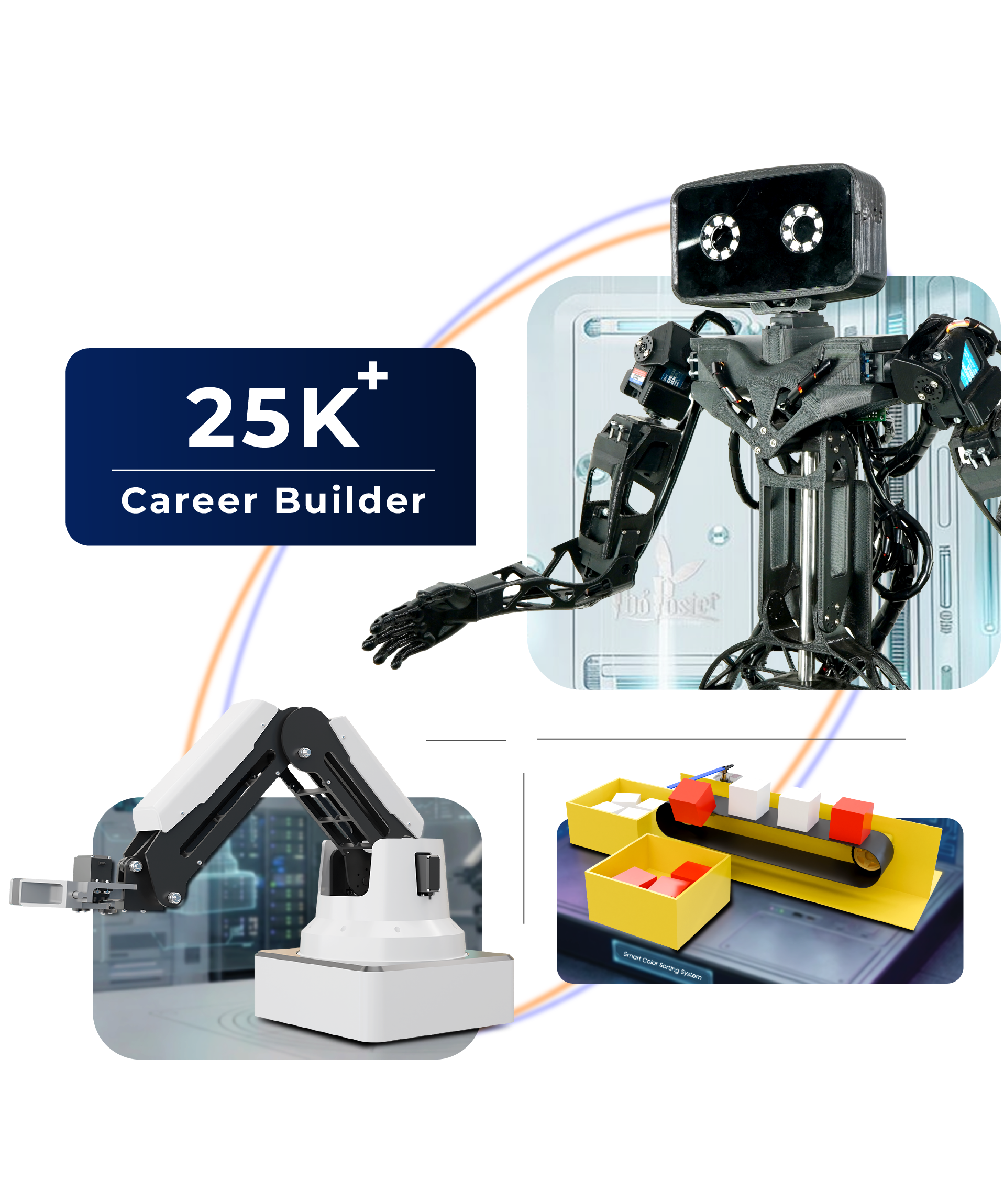
A 30-day problem-driven program where you design, build, and ship three complete robotic systems from scratch — covering robotics, AI, electronics, and automation.
Three real-world problem statements. Three complete systems. You design the approach, build from scratch, and demo working hardware by the end.
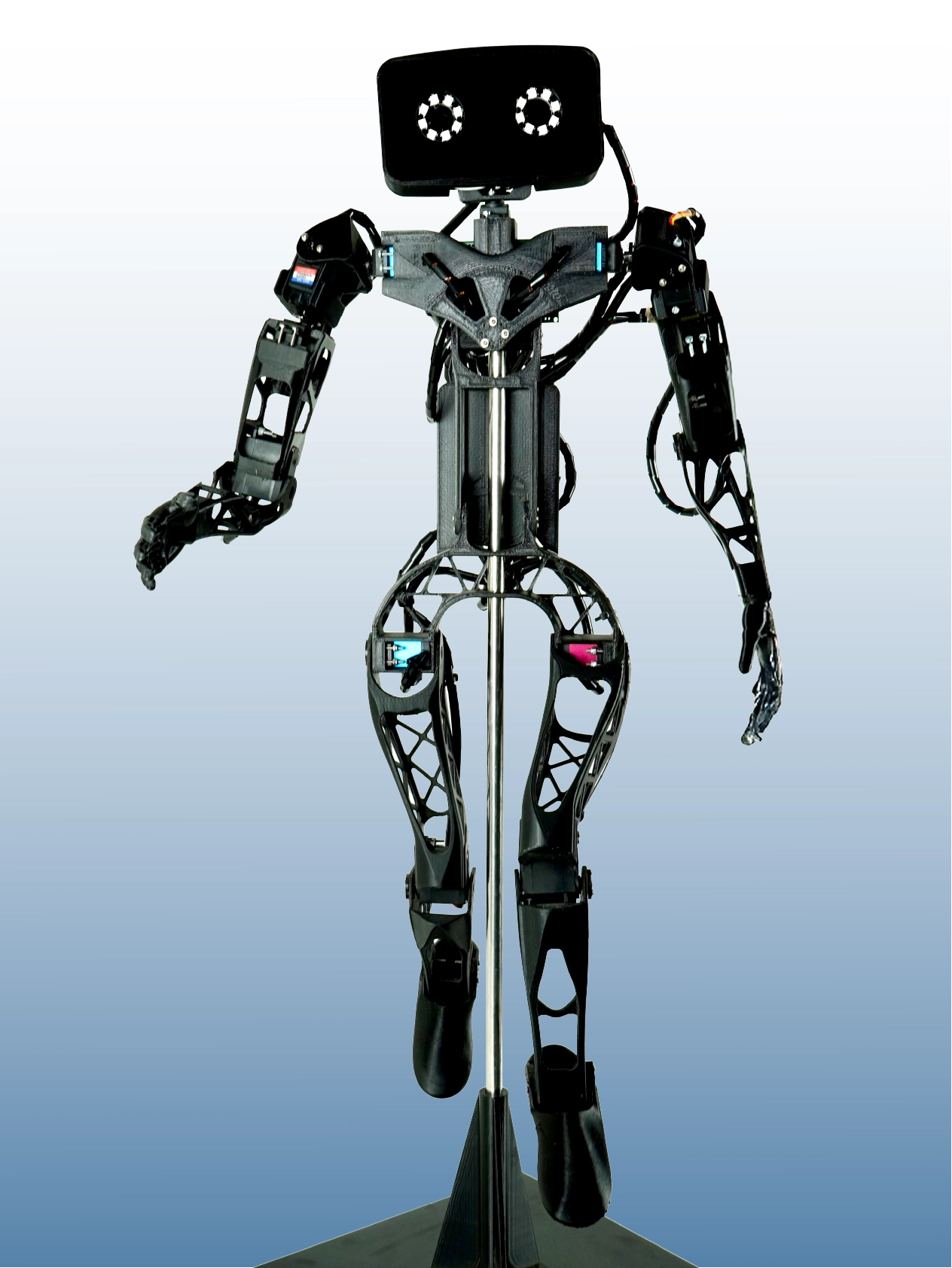
Modern robotics requires systems that can replicate human-like actions and deliver intelligent responses in real time. This project builds a humanoid-inspired robotic system capable of performing controlled movements using kinematics, embedded systems, and AI-driven logic - integrating Mechanical Design, Electronics & IoT, and AI-ML into one functional machine.
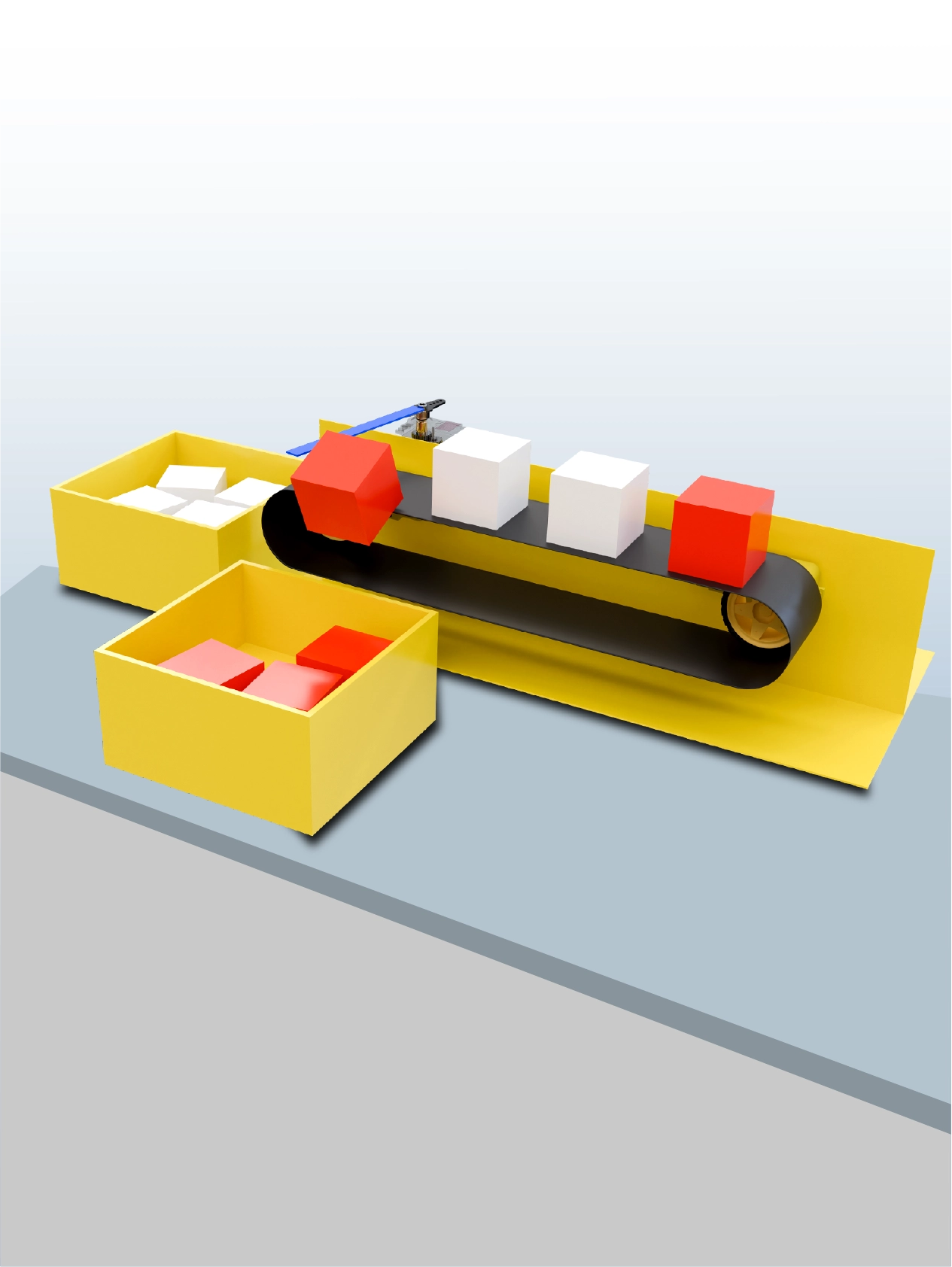
Industries require automated systems for sorting products and managing inventory efficiently. Manual sorting leads to errors, inconsistency, and slow processing. This project develops a smart AI-powered color sorting system using computer vision and embedded control — replicating what real manufacturing and packaging facilities use at industrial scale.
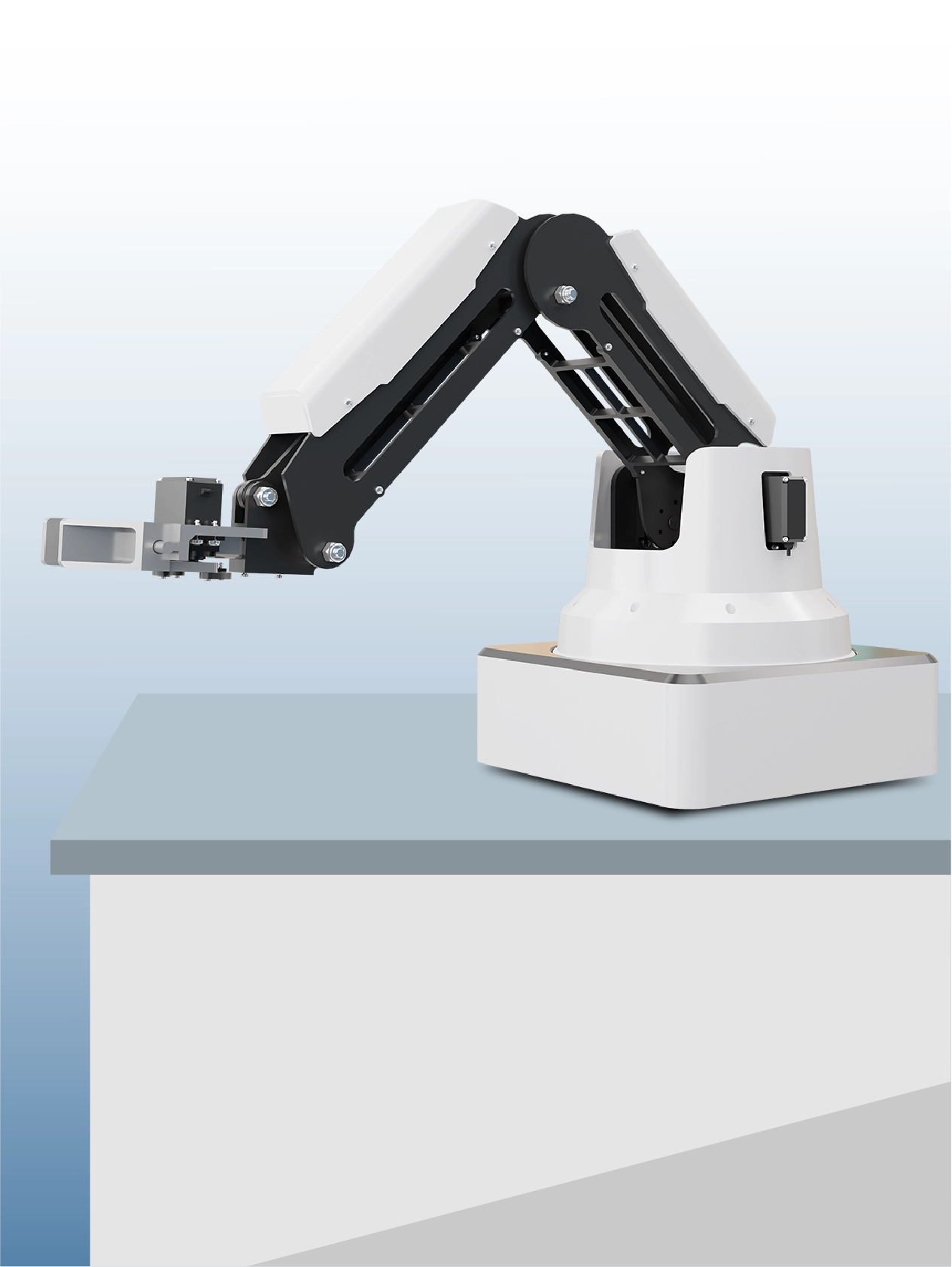
Industrial manufacturing relies heavily on robotic arms for pick-and-place automation. Understanding the mechanics, electronics, and intelligent vision control behind such systems is crucial for Industry 4.0. This project equips students with real robotic arm programming, AI-based object detection, and precision motion planning — skills used on factory floors globally.
Every week has a clear goal, a project milestone, and skills you'll have locked in by Sunday.
Every skill below is something you'll have actually used in a real project — not just watched in a video.

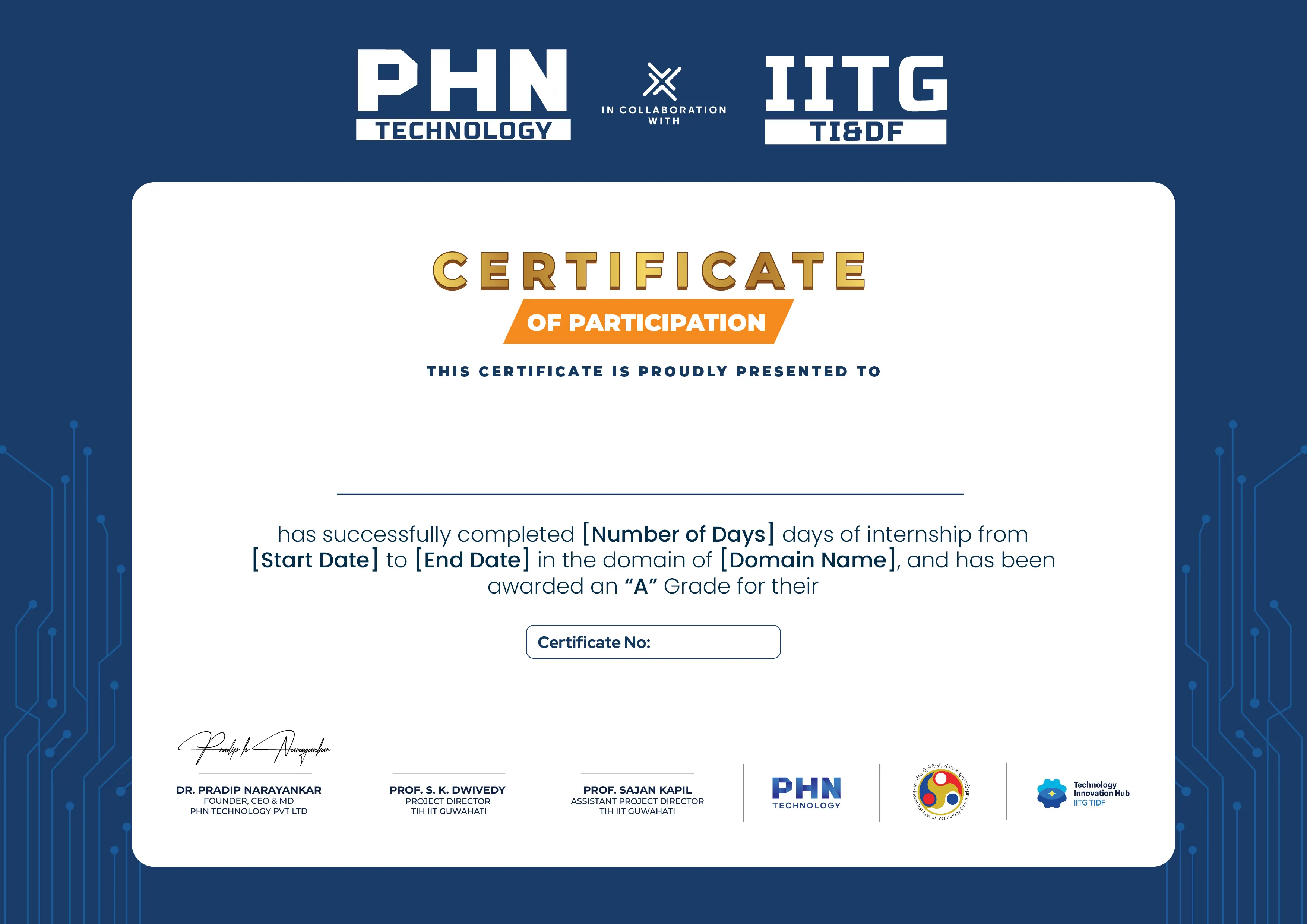
Your IIT/NIT co-branded certificate holds significant weight with recruiters — backed by PHN Technology and IIT Guwahati.
The skills from this program directly map to these high-demand engineering roles — with real salary ranges.
Design, build and maintain robotic systems for industrial and R&D applications at manufacturing and tech companies.
Write firmware for microcontrollers, IoT devices and industrial hardware — one of the highest-demand roles in electronics.
Build real-time image recognition and object detection systems using deep learning for automation and AI products.
Build and integrate AI systems into real industrial pipelines — inspection, sorting, quality control, and smart automation.
Design and implement automated manufacturing systems, conveyor logic, PLCs and smart factory infrastructure.
Develop connected device ecosystems, sensor networks, and cloud-integrated hardware platforms across industries.