A 30-day project-driven program where you design, model, and validate a complete PHEV Energy Management System in MATLAB & Simulink — the same tools used by automotive engineers at OEMs worldwide.

Every model is documented and portfolio-ready — the kind of project that stands out in automotive and energy sector interviews.
A full plug-in hybrid electric vehicle model in MATLAB & Simulink — ICE, electric motor, battery, and transmission subsystems integrated into one validated plant.
Dynamic State-of-Charge estimation with protection limits, charge/discharge curves, and thermal considerations implemented in Simulink blocks.
Efficiency lookup tables for both ICE and electric motor — the standard industry method for modelling real-world performance trade-offs at different operating points.
Rule-based Energy Management Strategy with Eco / Normal / Sport mode switching — implemented using Stateflow logic and validated against SOC targets.
End-to-end simulation of your PHEV model under standard international drive cycles — speed trace tracking, fuel consumption, and SOC trajectory analysis.
Complete technical report with fuel consumption results, energy recovery data, SOC trajectory plots, and EMS strategy justification — your project portfolio artifact.
Each week builds directly on the last. By Week 4, all components connect into one deployed system.
Every skill below is something you'll have actually used in a real project — not just watched in a video.
Leave with proof of work across all six domains that companies actually hire for.
Explain and differentiate hybrid EV configurations and their real-world power flow logic — from first principles to full system design.
Model vehicle longitudinal dynamics and power requirements from first principles using Simulink block diagrams.
Implement SOC calculation and protect against charge/discharge limits — the critical safety and efficiency function in any EV system.
Design a rule-based Energy Management Strategy with Eco / Normal / Sport mode switching using Stateflow logic.
Simulate PHEV performance under UDDS / WLTP drive cycles and analyse fuel consumption, SOC trajectory, and energy recovery results.
Understand the optimization logic behind advanced Equivalent Consumption Minimisation Strategies used in industry-grade EMS.
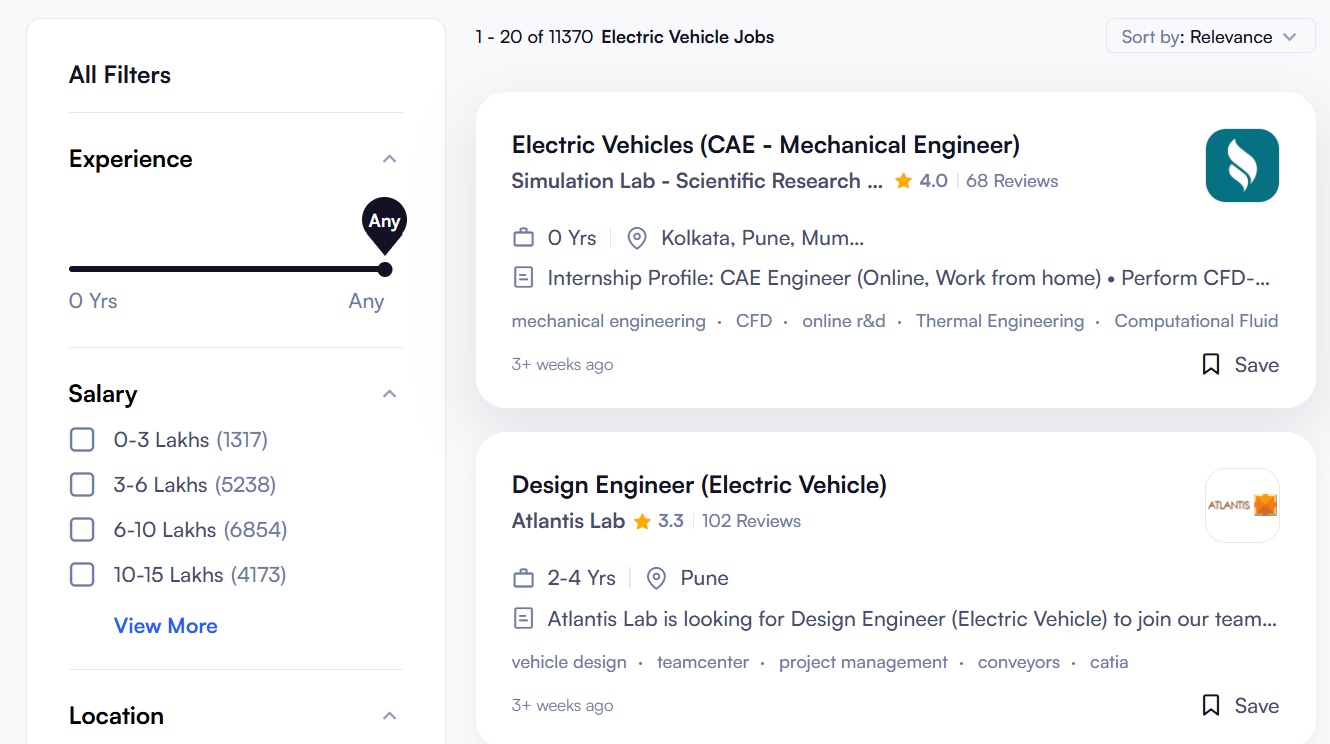
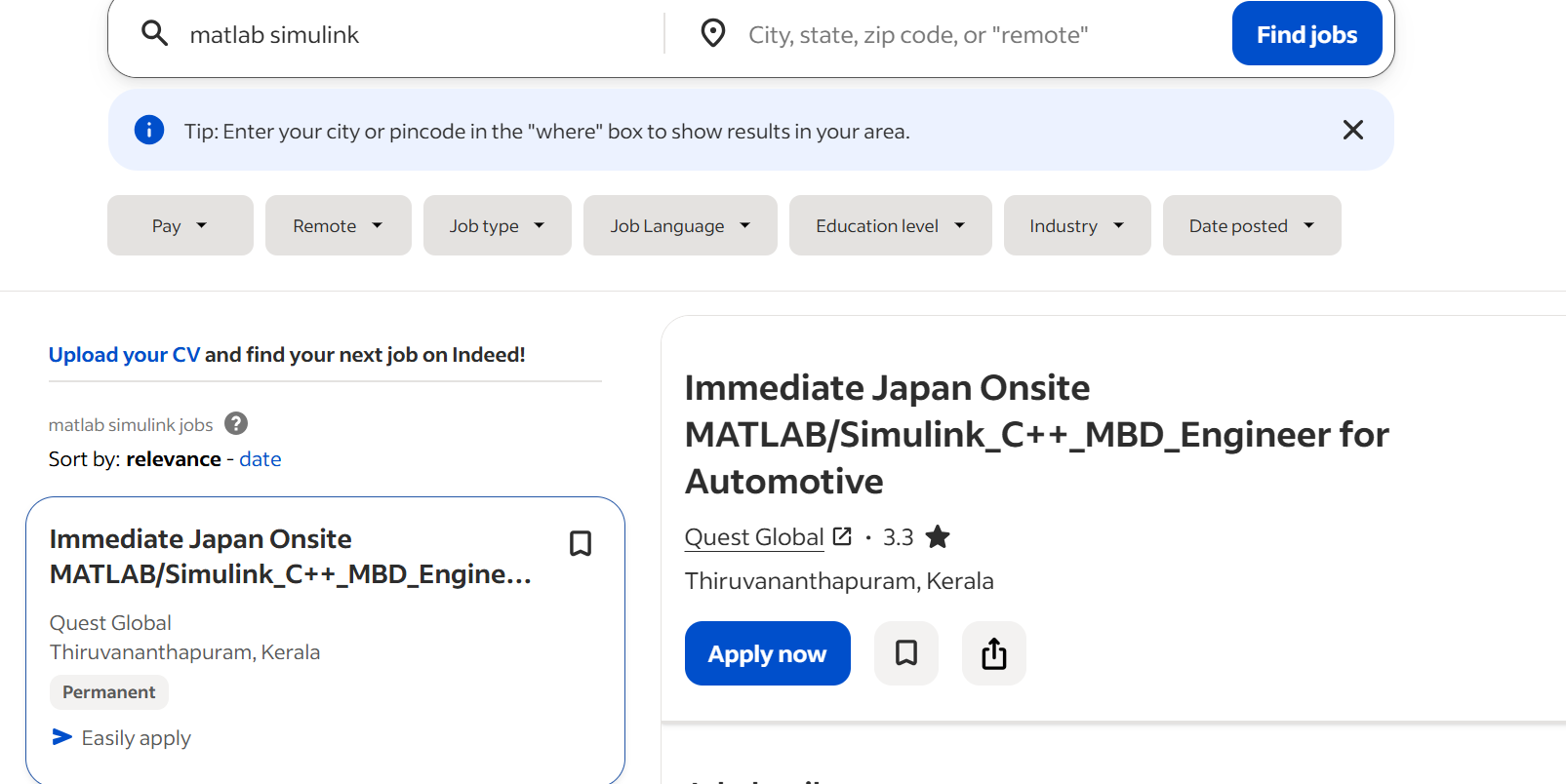
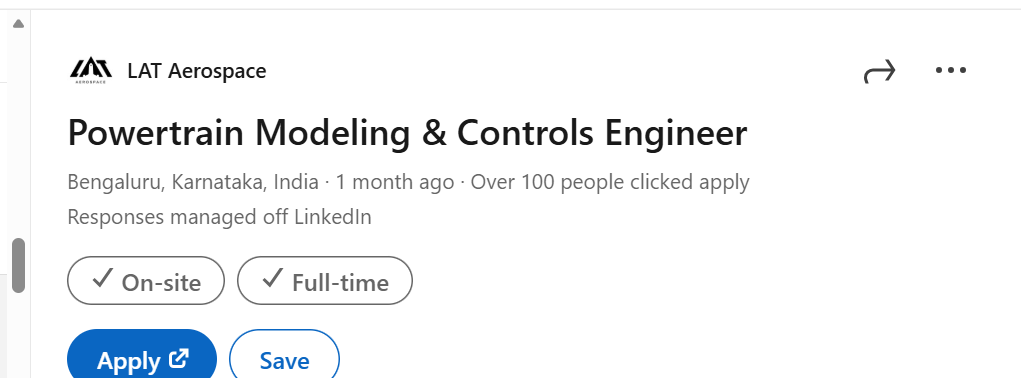
The skills from this program directly map to these high-demand roles — with real salary ranges.
System modeling, power split strategy & performance validation for EVs and PHEVs
HEV/PHEV architecture design, supervisory control, and drivability optimisation.
Model-based design, drive cycle validation, and Simulink toolchain development.
EMS strategy design, SOC control, and advanced ECMS research in automotive R&D labs.
Leave with proof of work across all six domains that companies actually hire for.

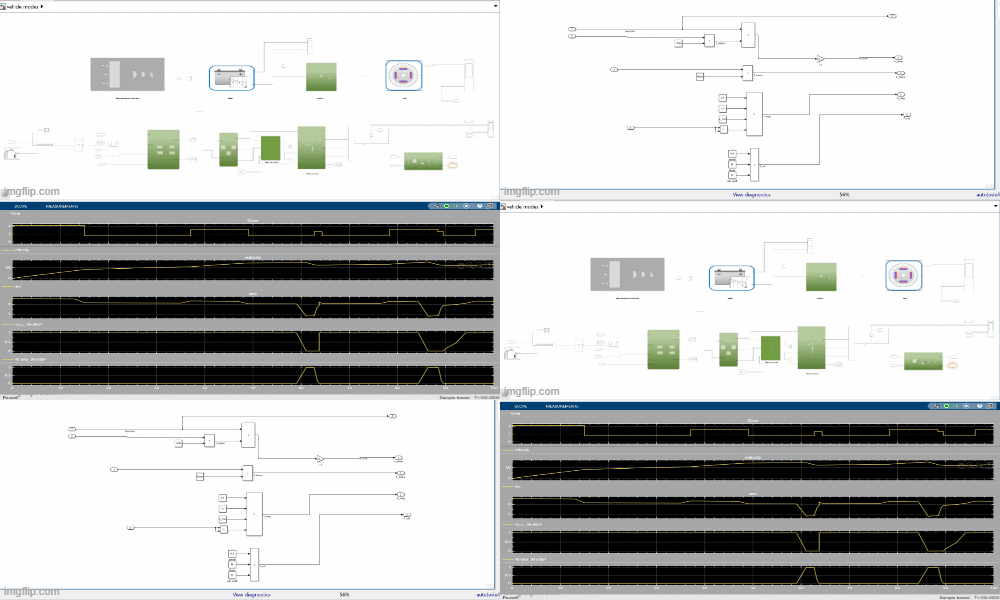
A Simulink-based EV system model that represents the overall vehicle architecture, integrating key subsystems like driver input, control logic, powertrain components, and vehicle dynamics.

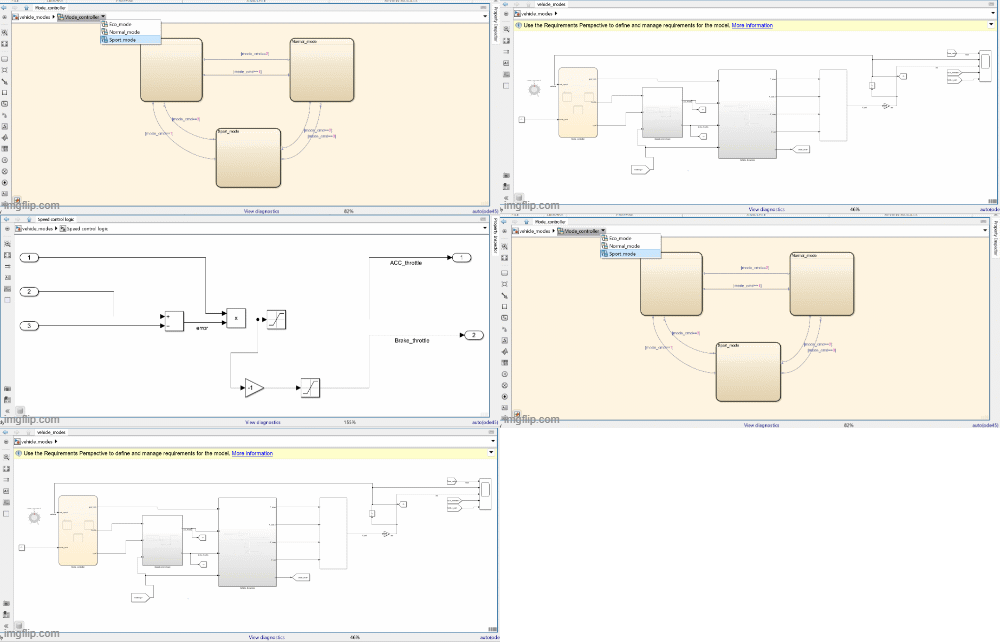
A supervisory drive mode control model that selects between Eco, Normal, and Sport modes and manages vehicle torque based on driver input and system conditions.

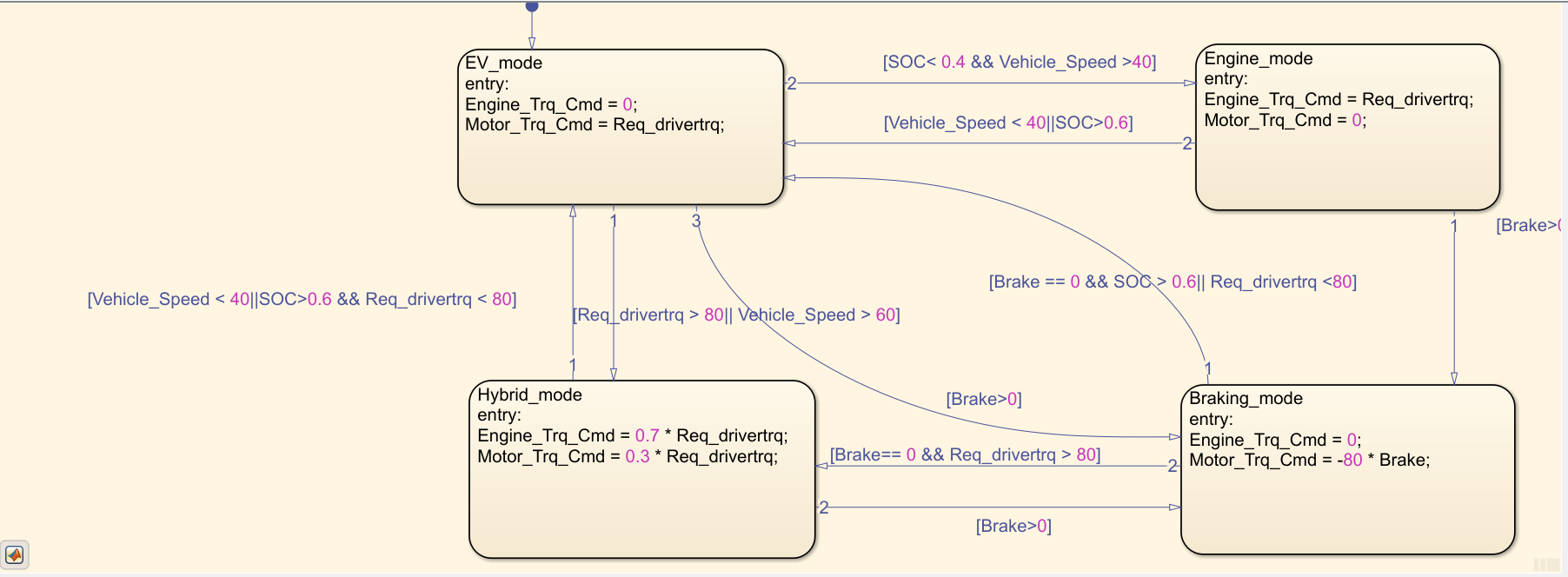
A Stateflow-based energy management model that switches between EV, Hybrid, Engine, and Braking modes based on vehicle speed, driver torque demand, braking input, and battery SOC.

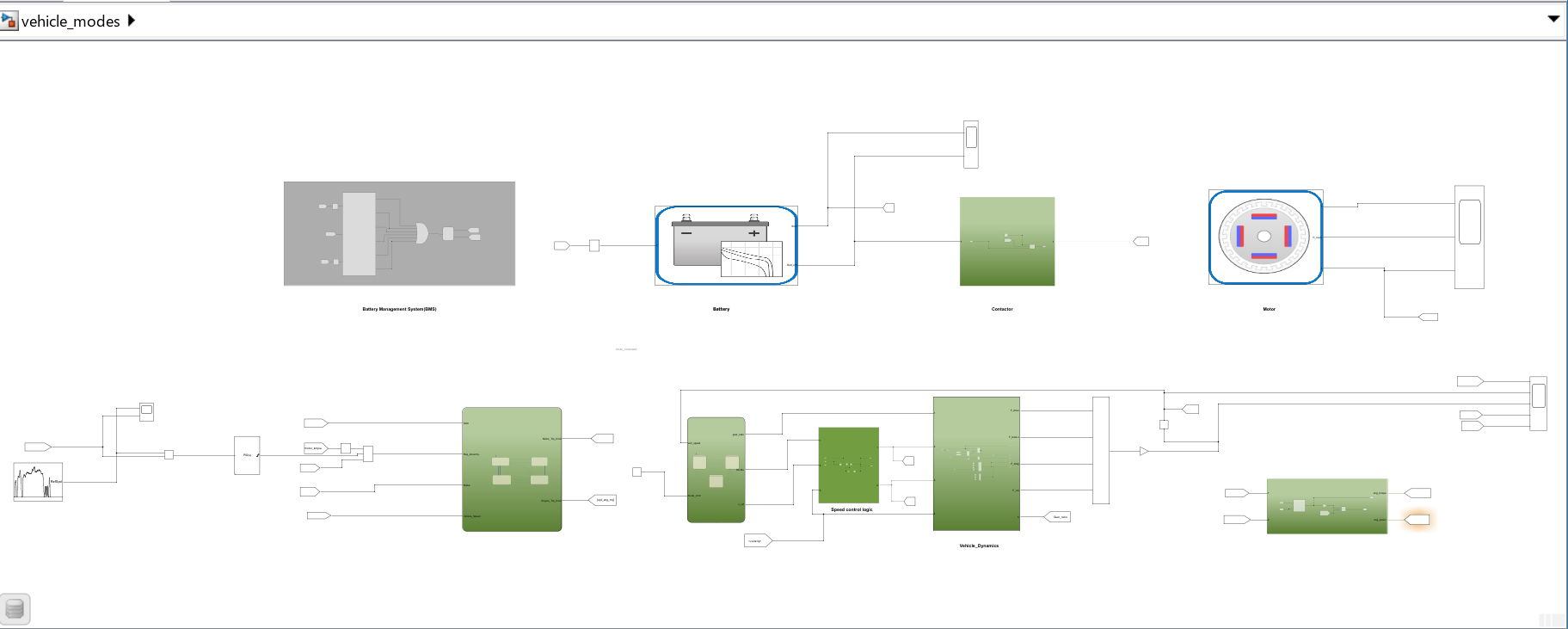
A complete EV powertrain simulation model integrating battery, motor, control logic, and vehicle dynamics into a unified system demonstrating real-time interaction between subsystems to analyze vehicle performance, energy flow, and control behaviour under different driving conditions.
The demand for EV Matlab Simulation professionals is exploding. Hundreds of thousands of roles are waiting — are you qualified?